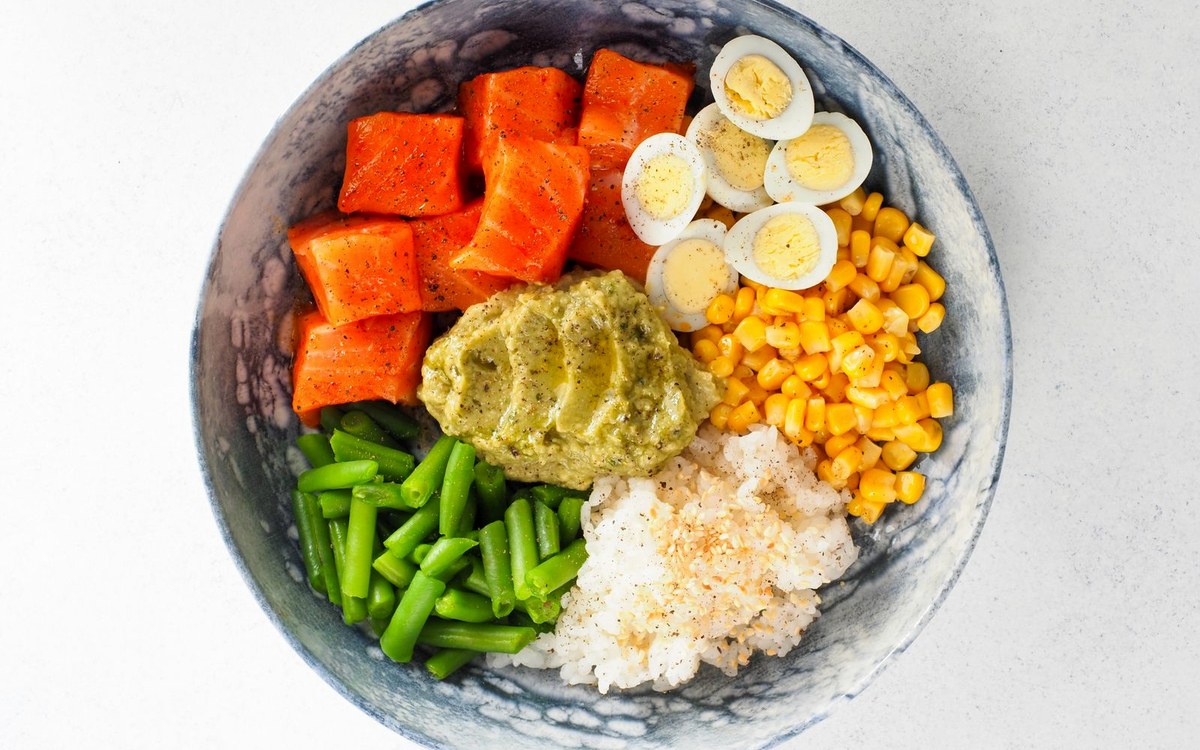
A balanced meal is often pictured as a perfect arrangement of specific foods. That image can be useful, but it can also turn eating into another test to pass. In daily life, balance is better understood as a flexible pattern: enough nourishment, satisfying flavors, and variety across time.
Start with what is available
Your plate is shaped by budget, culture, time, access, appetite, allergies, and personal preference. A useful approach begins with those realities instead of ignoring them. Fresh, frozen, canned, dried, and prepared foods can all contribute to nourishing meals.
Invite color and variety
Different fruits and vegetables bring different flavors, textures, and nutrients. Variety might mean leafy greens at lunch, beans in a soup, fruit with breakfast, or frozen vegetables stirred into a familiar dish. It does not require every meal to look the same.
Include satisfying energy
Carbohydrate-rich foods such as grains, potatoes, fruit, or bread can provide energy. Protein foods such as beans, lentils, eggs, fish, poultry, dairy, tofu, nuts, or seeds can support fullness and body repair. Fats add flavor and can help a meal feel satisfying.
There is no universal combination that suits every person. Medical conditions, medications, digestive needs, religious practices, and activity patterns can change what works well. A qualified clinician or registered nutrition professional can offer individualized guidance.
Use gentle cues
Hunger and fullness are useful information, but stress, sleep, illness, medication, and busy schedules can make those signals quieter or less predictable. Try noticing how a meal feels while eating and how your energy responds afterward, without turning the observation into judgment.
Keep convenience in the plan
Convenience foods are not a failure. A quick meal can still be nourishing. Pair a prepared soup with bread and fruit, add frozen vegetables to noodles, or combine a ready-to-eat protein with grains and greens. Simple combinations often make regular eating more achievable.
Leave room for pleasure
Food carries culture, memory, celebration, comfort, and connection. Enjoyment belongs in a healthy relationship with eating. A balanced pattern can include favorite foods without moral labels or the need to compensate later.
Rather than chasing a perfect plate, build meals that are accessible, satisfying, and supportive of how you want to feel. Balance can emerge across many ordinary choices.